Shikoku Dispatch #1. Coca-Cola, Lemon Soda and the 27 Bears.
The Shikoku Henro circles the island of Shikoku, visiting 88 temples spread across four prefectures. Pilgrims traditionally move through Tokushima, Kochi, Ehime and Kagawa, each representing a different stage of the journey.
Tokushima is said to be the place of spiritual awakening. Kochi the place of ascetic training. Ehime the place of enlightenment. Kagawa the place of nirvana.
Well, I can tell you one thing for certain:
I’ve been doing plenty of awakening in Tokushima.
Usually around 5:00 in the morning.
The spiritual awakening part is still a work in progress.
Carbohydrate Loading Like a Baby Bear
The ferry from Wakayama arrived beneath a bleak blanket of grey skies and steady rain. Behind me sat a group of four elderly ladies who were all trying very hard to be quiet while simultaneously having the best time of their lives whispering to each other and giggling like school girls. They had snacks and I didn’t. That situation would need to be rectified when I arrive in Tokushima.
I decided to fuel up before embarking on my mission around Shikoku and ramen seemed like the perfect solution.
Nothing says “athletic preparation” quite like a giant bowl of tsukemen.
“Get the large one with the whole boiled egg and the Chashu pork,” I thought. “You’ll need the energy.”
Sixties rock played through the speakers and I was one of only two customers in the restaurant. What arrived could only be described as a mountain of noodles. I would climb smaller mountains in the weeks ahead.
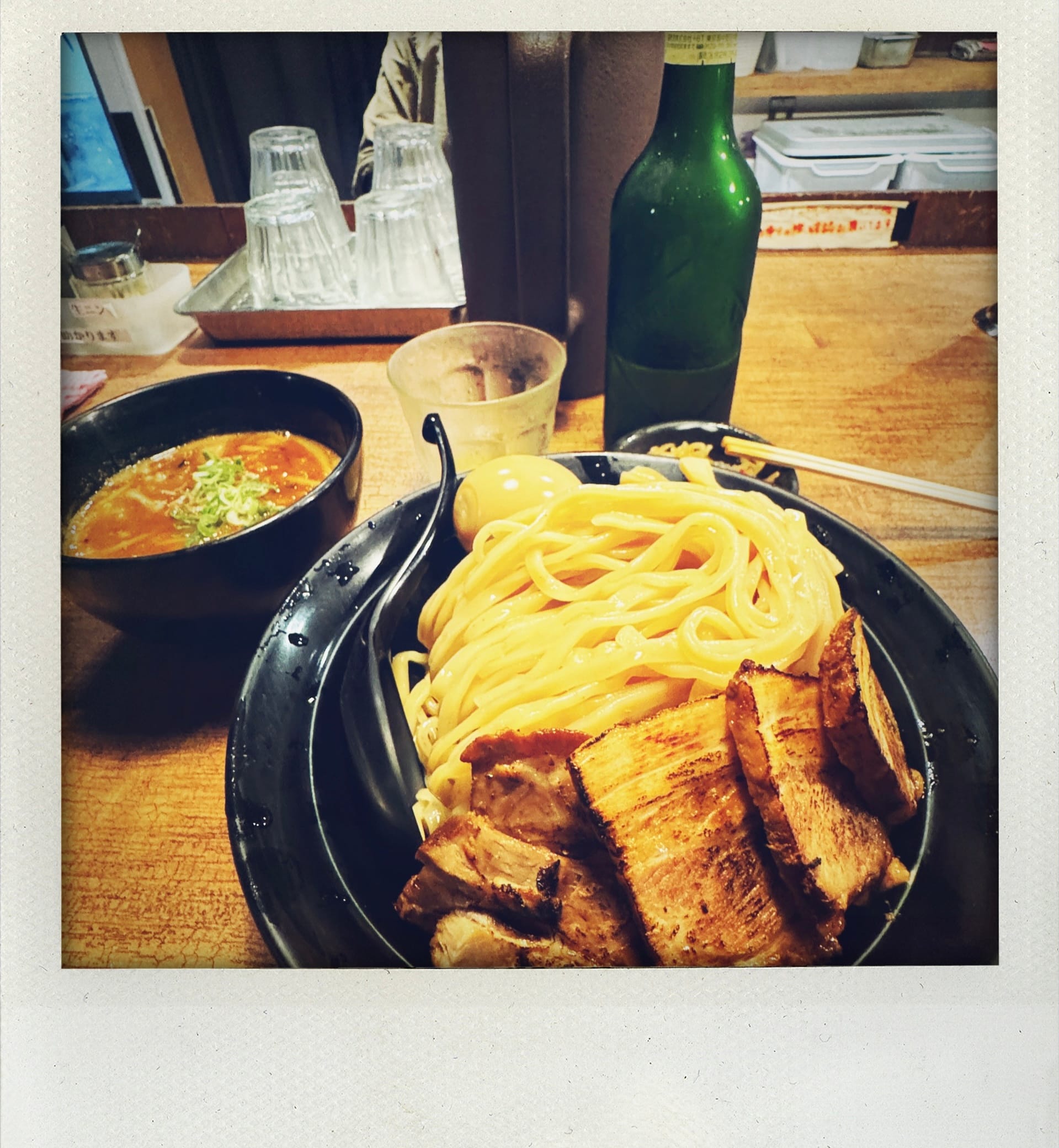
The dipping broth was thick, salty, and made Grandma’s Christmas Gravy look like dishwater after washing coffee cups. I could feel my arteries narrowing just by looking at it.
By the time I left, walking felt optional.
Tomorrow would be a big day.
Osettai, Tobacco and Apprentice Monks
My first few days on the Shikoku Henro took me through rice fields, lotus root farms, tobacco fields, mountain passes, and villages that seemed entirely unconcerned with what century it was. There were sore feet, heavy packs, unexpected kindness, and enough guesthouse owners running hot baths for me that I began to wonder if it was an official part of the pilgrimage.
Before setting out I stopped near Temple 1 to buy a nokyocho, the pilgrimage book that serves as proof of the journey. At each temple it is stamped and calligraphed (apparently that‘s a word).
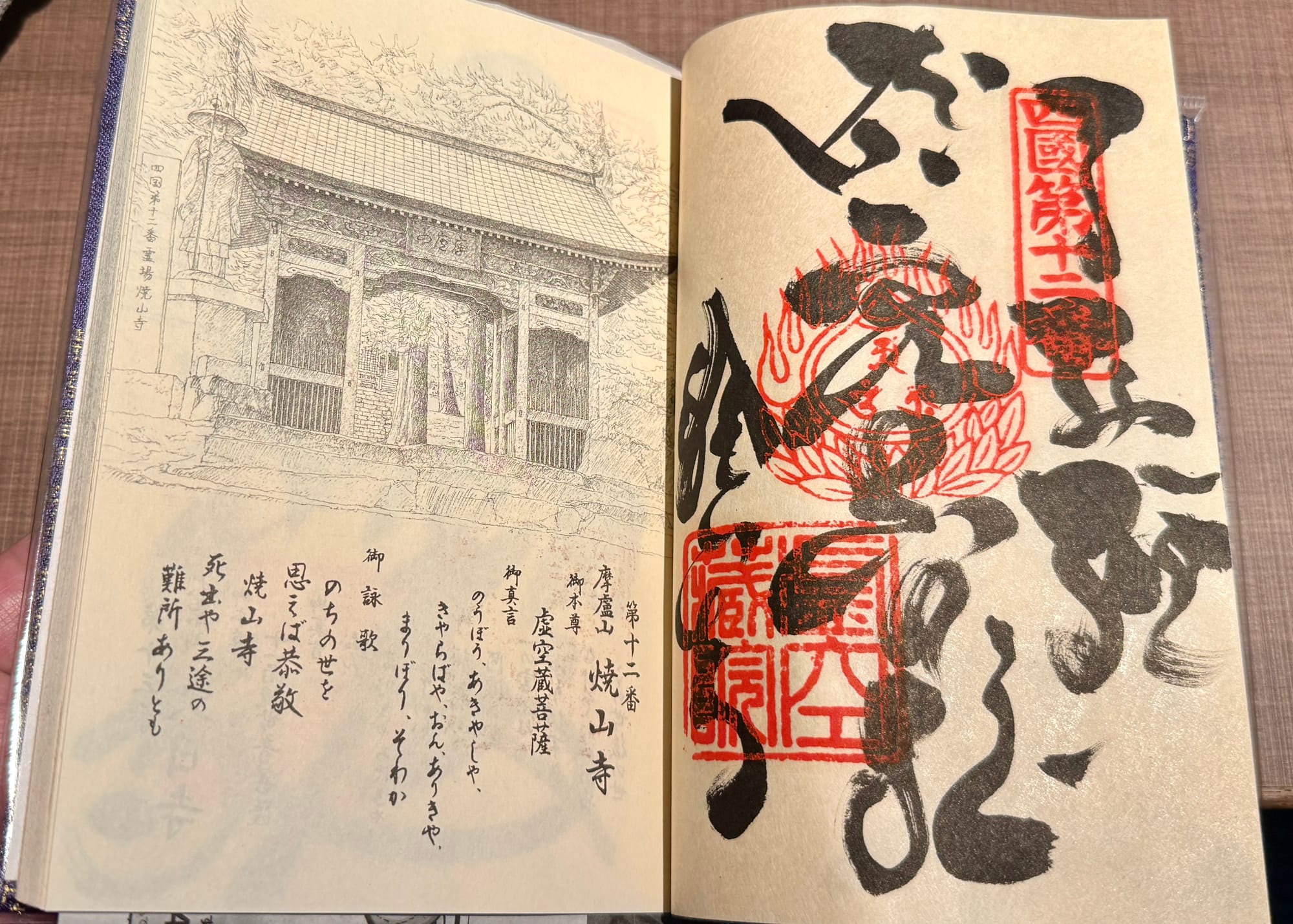
Sometimes the calligrapher was an elderly lady. Sometimes it was a younger monk who looked as though he had just been informed to give up on happiness.
Then I noticed there was usually an older monk standing nearby watching him work.
Ah yes. Apprenticeships.
I also picked up a stack of osame fuda, the name slips pilgrims leave as offerings and exchange when receiving acts of kindness.
At the time I didn’t realise how important these would be.
Leaving the city behind, the landscape opened into a patchwork of rice fields and farms. Kei trucks were everywhere. If Japan ever runs out of normal-sized trucks, Tokushima will be coming to the rescue.
Lotus root grew in flooded paddies. Tobacco grew in neighbouring fields. For much of the day it was simply rice fields, tobacco, lotus root and tiny trucks.
The kilometres passed beneath grey skies, and then the rain began.
By late afternoon my shoulders hurt, my feet ached, and my backpack seemed to have somehow doubled in weight.
I abandoned any ambitious plans of visiting extra temples and focused instead on reaching my accommodation before my morale deteriorated faster than the condition of my feet.
Then, leaving one of the temples, I heard someone call out.
“O-henro-san!”
I turned to see an older pilgrim hurrying towards me.
He looked to be in his seventies and was carrying a cold lemon soda. His wife was still feeding coins into a nearby vending machine.
“Osettai,” he said, pressing the cold can into my hand.
Osettai is the tradition of giving gifts to pilgrims. Refusing would have been rude, so I happily accepted.
He spoke excellent English and explained that he and his wife were walking the pilgrimage in reverse. We chatted for a few minutes. The usual questions followed.
Where are you from?
Australia.
Oh, but you live in Osaka?
You’ve been in Japan a long time.
It was my first real experience of osettai.
It would not be my last.
A Hat, A Stick and a lick of Credibility
A day later I found myself backtracking to visit a temple I had somehow managed to miss.
Pilgrimage, it turns out, is not unlike hiking.
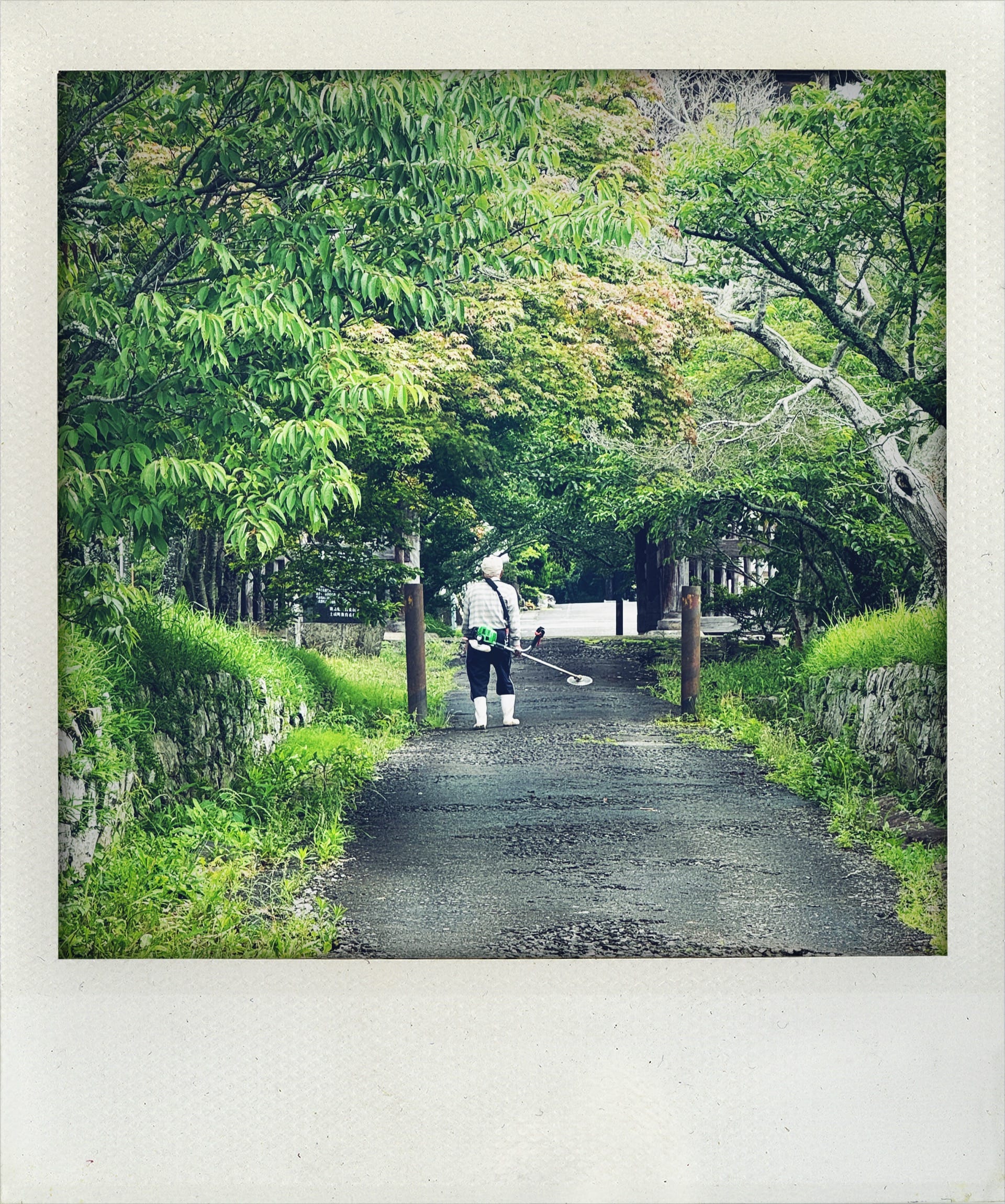
At some point you will inevitably find yourself standing beside an elderly man operating a whipper snipper while he explains something important.
I caught about half of what he said. The other half was lost to the whining two-stroke engine.
Near Temple 10, I stopped at a pilgrim shop called Sumotori-ya and enlisted the services of Mr. Satoshi Asano. Satoshi spent many years living and working in New York City and speaks excellent English. As it turned out, he was exactly the right person to hook me up with what I needed.
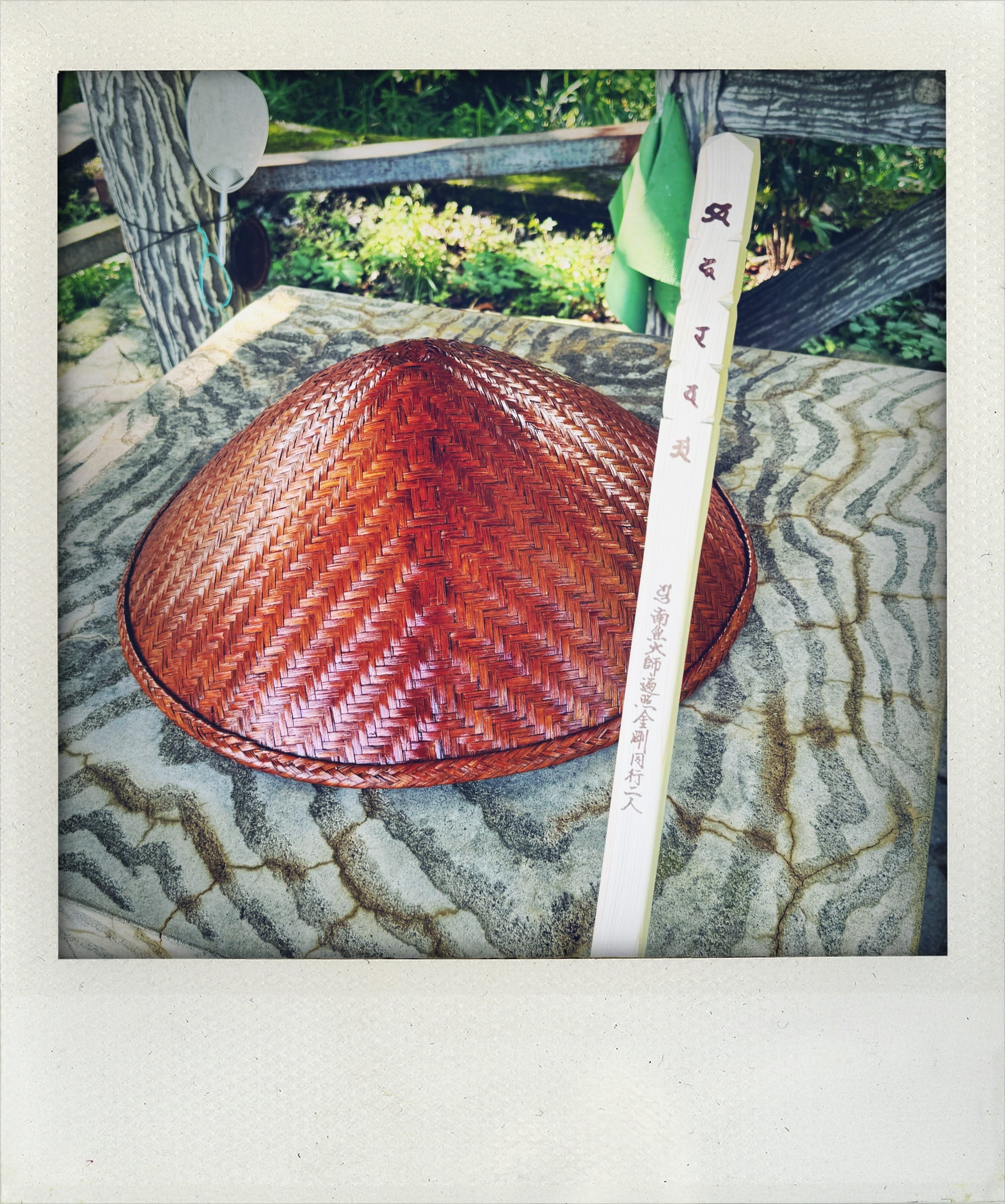
There I bought the items that would finally make me look like a proper pilgrim: a kongozue walking staff, a white hakui vest, and an ajirogasa — an intricately woven bamboo hat that looked far better prepared for a Shikoku summer than I was.
Until then I had simply been a sweaty foreigner with a backpack.
Now I was a sweaty foreigner with a backpack and official accessories.
The transformation was remarkable.
Partly because the wooden staff genuinely helped.
Partly because the hat provided shade.
Mostly because people suddenly started treating me differently.
At one road crossing a tiny woman driving a massive truck shifted down through the gears, slowed down, waved me across the road and gave me a huge smile.
I began to realise that the uniform wasn’t really about clothing, this was no cosplay situation.
It connected you to a tradition people recognised immediately.
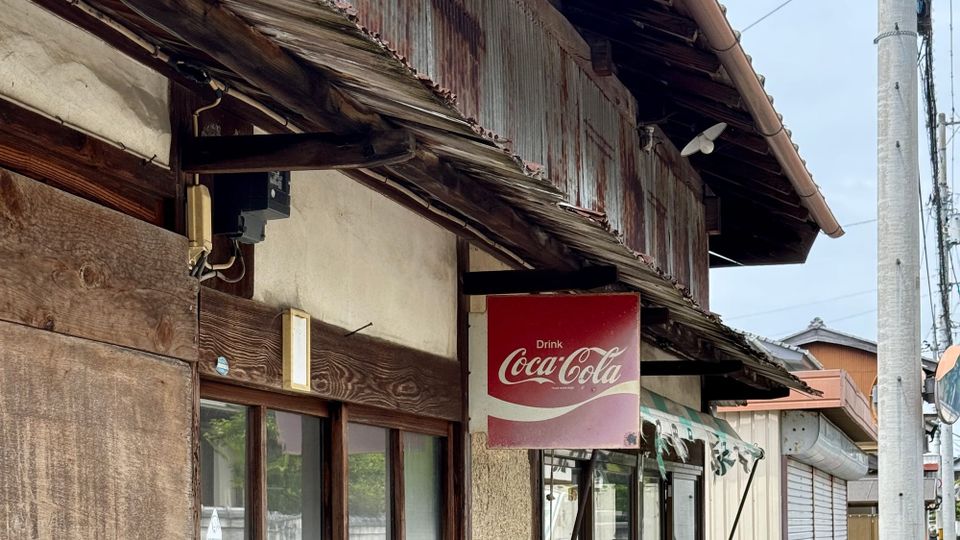
Enjoy Coca-Cola
I love old Coca-Cola signs.
Old vending machines too.
They make me feel like I’ve wandered into one of those post-apocalyptic movies where time stopped sometime around 1967.
And today I found one of the coolest things I have seen in years.
An old Coca-Cola vending machine.
Not an old-style vending machine.
An actual old vending machine.
The kind that dispenses glass bottles and has a bottle opener attached to the front.
And somehow it still worked.
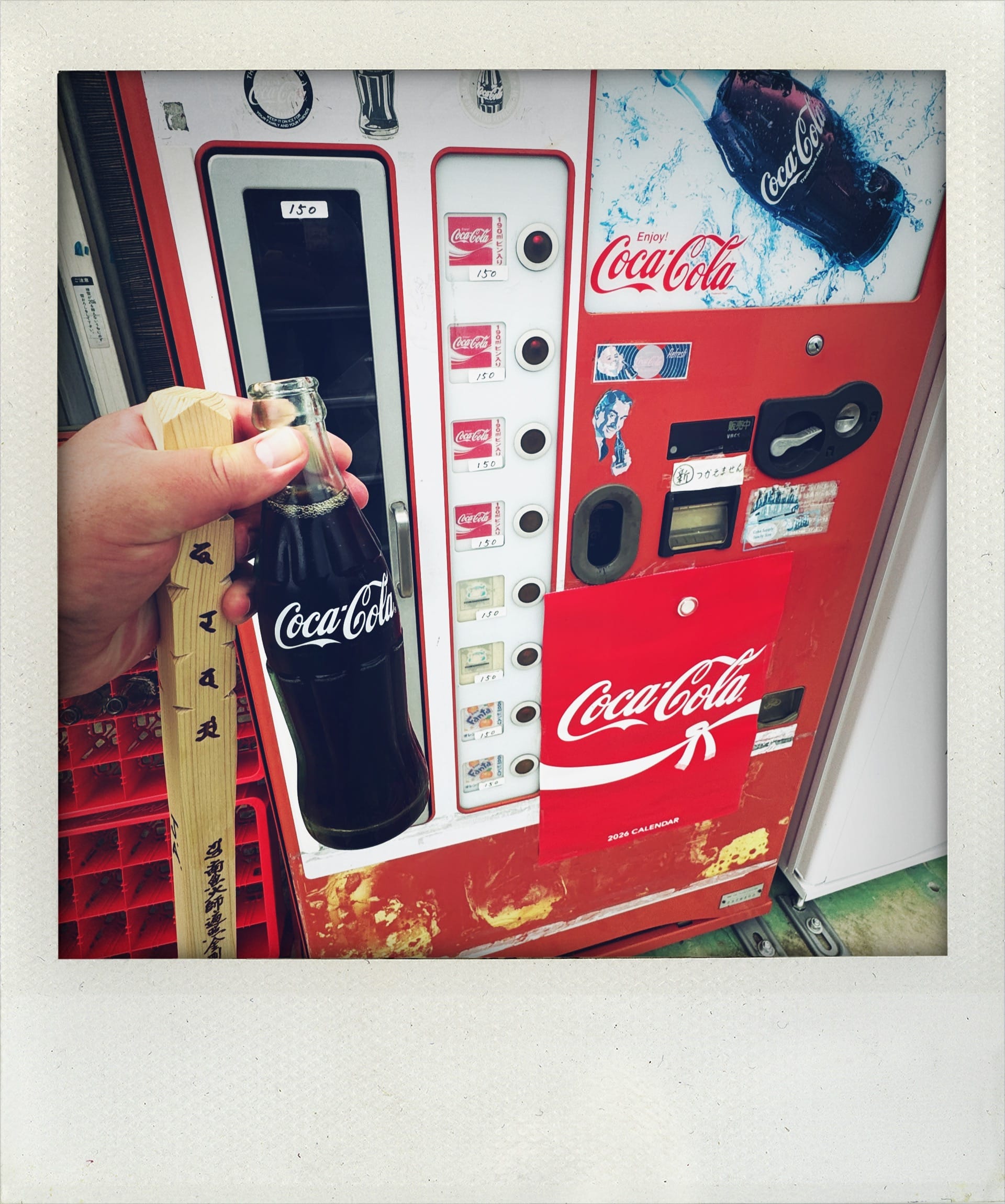
I’m not usually much of a Coke drinker, but there is something deeply satisfying about drinking an ice-cold Coca-Cola from a glass bottle beside a rural road in the Japanese countryside.
I will remember that Coke.
My accommodation that evening was a lovely place run by a husband and wife and their fourteen-year-old son. The wife drove out to collect me from the temple, ran me a bath before dinner, and generally treated me as though I was a long-lost relative rather than a paying guest.
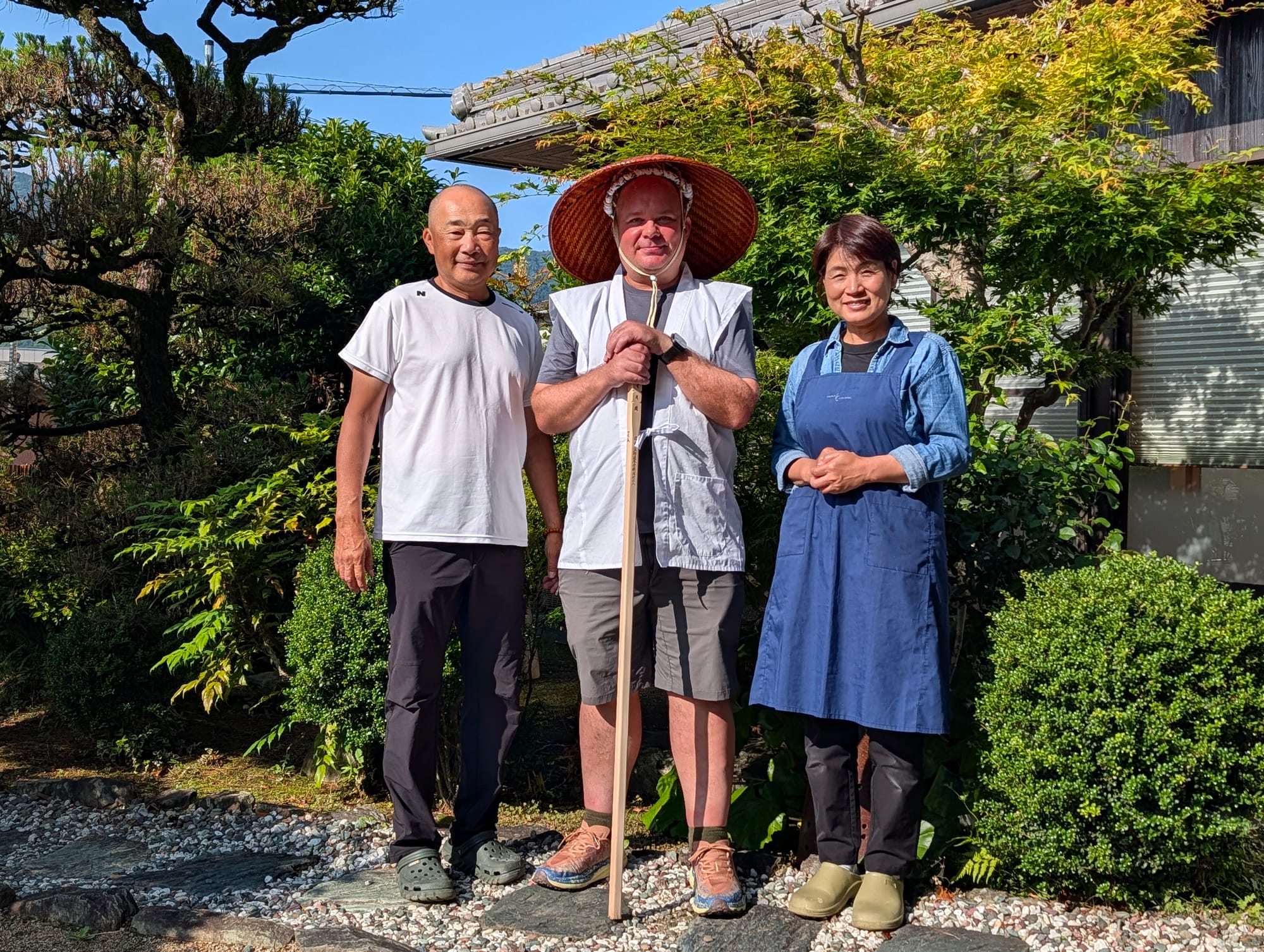
The guesthouse even had a beer keg.
The son was in charge of pouring the beers.
As management structures go, it seemed to work well. I wonder if he is in charge of stock management as well.
Bedtimes were getting earlier.
By 9:00 p.m. I was asleep.
Mountains, Fireflies and the White Light Disco
The following day introduced me to the mountains.
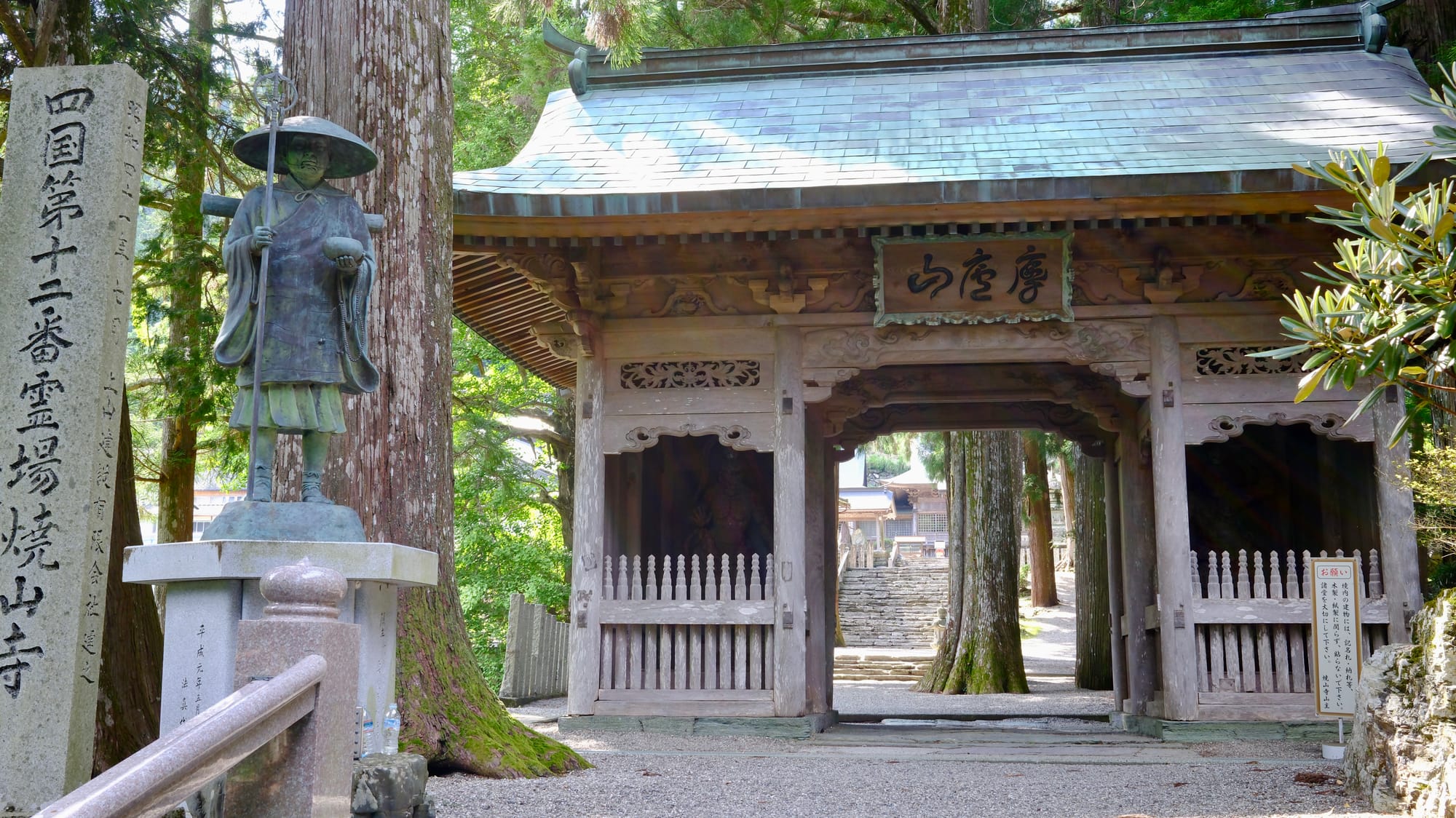
The route climbed through forests of enormous cedar trees, crossed cool valleys, and eventually reached Shosanji, one of the most famous temples on the pilgrimage.
The climb gained around a thousand metres.
It wasn’t quite Japanese Alps territory, but it was enough to remind me that I was carrying a backpack.
At one point a bug flew directly into my mouth.
I immediately remembered the wise words of my son from a previous hike.
“Well, you should stop walking around with your mouth open.”
Fair point.
The huge cedar trees around Shosanji are said to be more than 500 years old.
Maybe it was the trees.
Maybe it was the mountain air.
Maybe it was because every temple stop meant taking off my backpack for twenty minutes.
Either way, visiting the temples became more relaxing and I found myself lingering a little longer.
That evening I stayed at Sudachi-an, a small guesthouse run by Takeshi and Mio.
After dinner we wandered down to the river and watched fireflies drifting above the water.
Then I returned to my room and accidentally invited every insect in Tokushima inside.
The moment I opened my window, my room became the hottest nightclub in the prefecture.
White Light Disco… let me introduce you to my ceiling light that is pretending to be the moon.
Moths.
Flying ants.
Large beetle-looking things that appeared to navigate by just crashing into walls at a speed that I can only describe as being maximum beetle. I can see them now, wearing crash helmets and yelling “Banzai!”
Kamikaze beetles sponsored by Red Bull.
Eventually I solved the problem by opening my door and turning on the hallway light.
Within seconds the insects evacuated my room. The party had changed venue.
It was the hallway’s problem now.
Mio, if you’re reading this, I’m sorry.
Deer, Snakes and the Twenty-Seven Bears
The next day the route wound through a valley that looked as though it had escaped from the cover of a cross between National Geographic and Crafts ‘n Things.
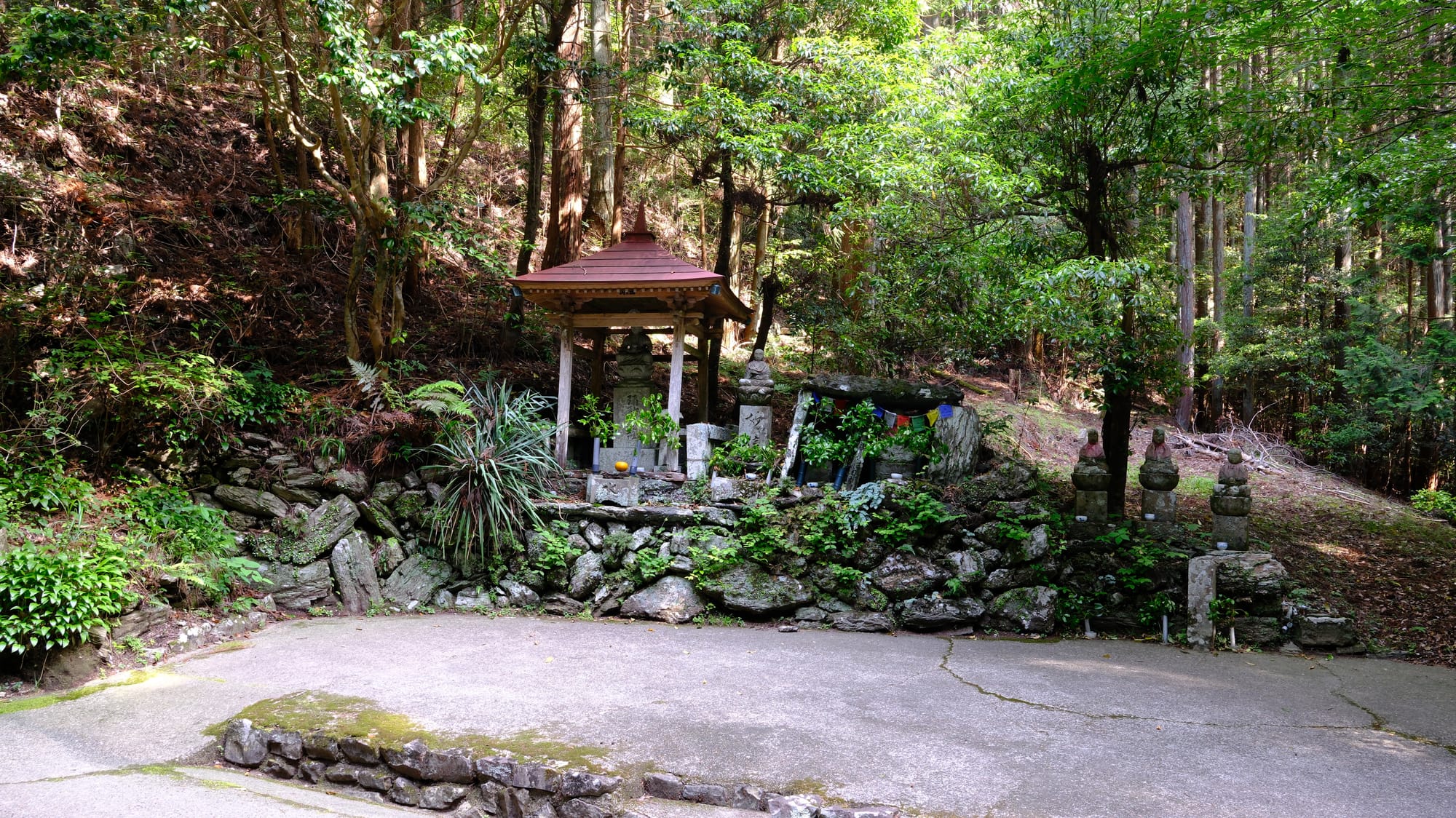
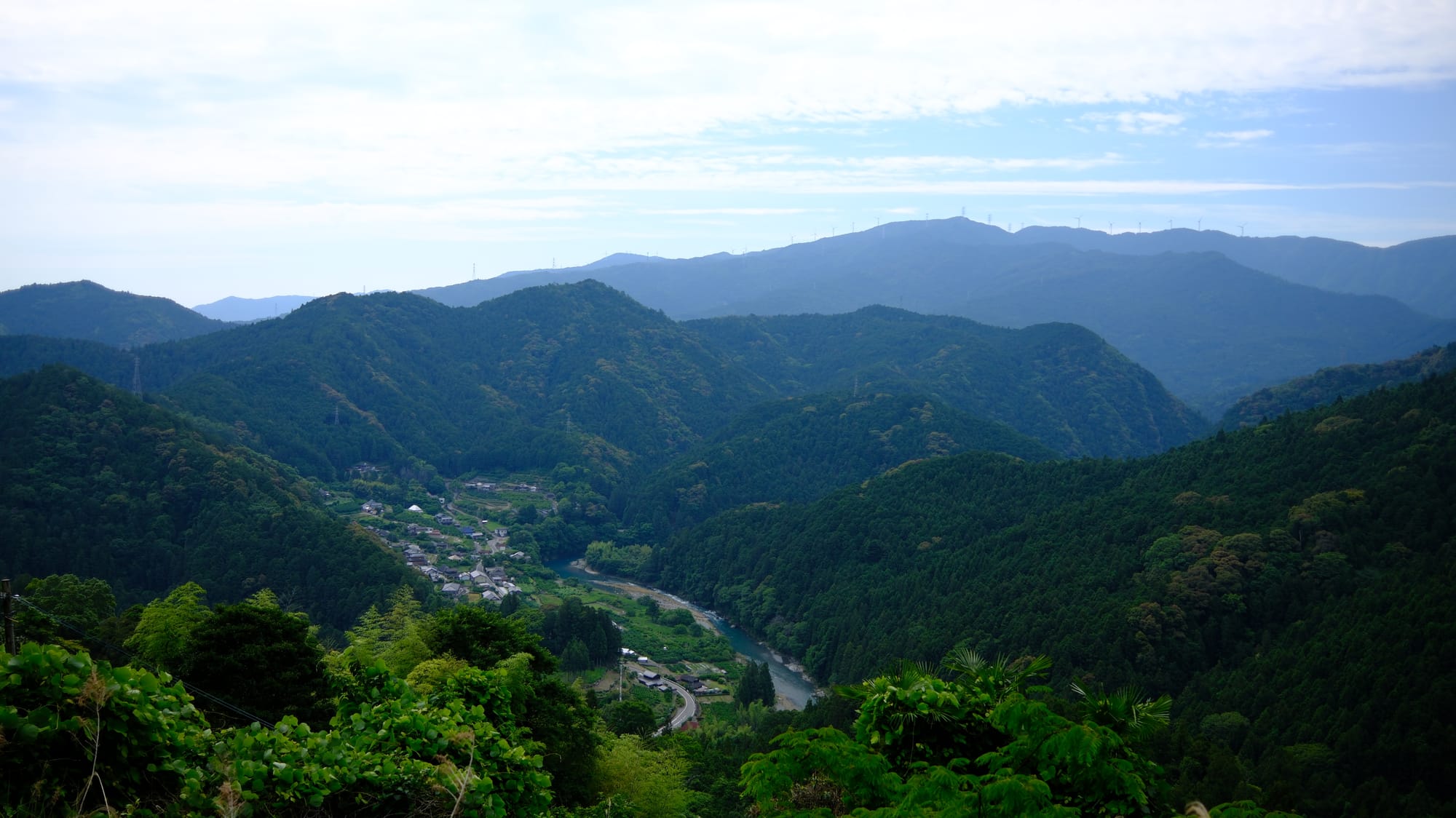
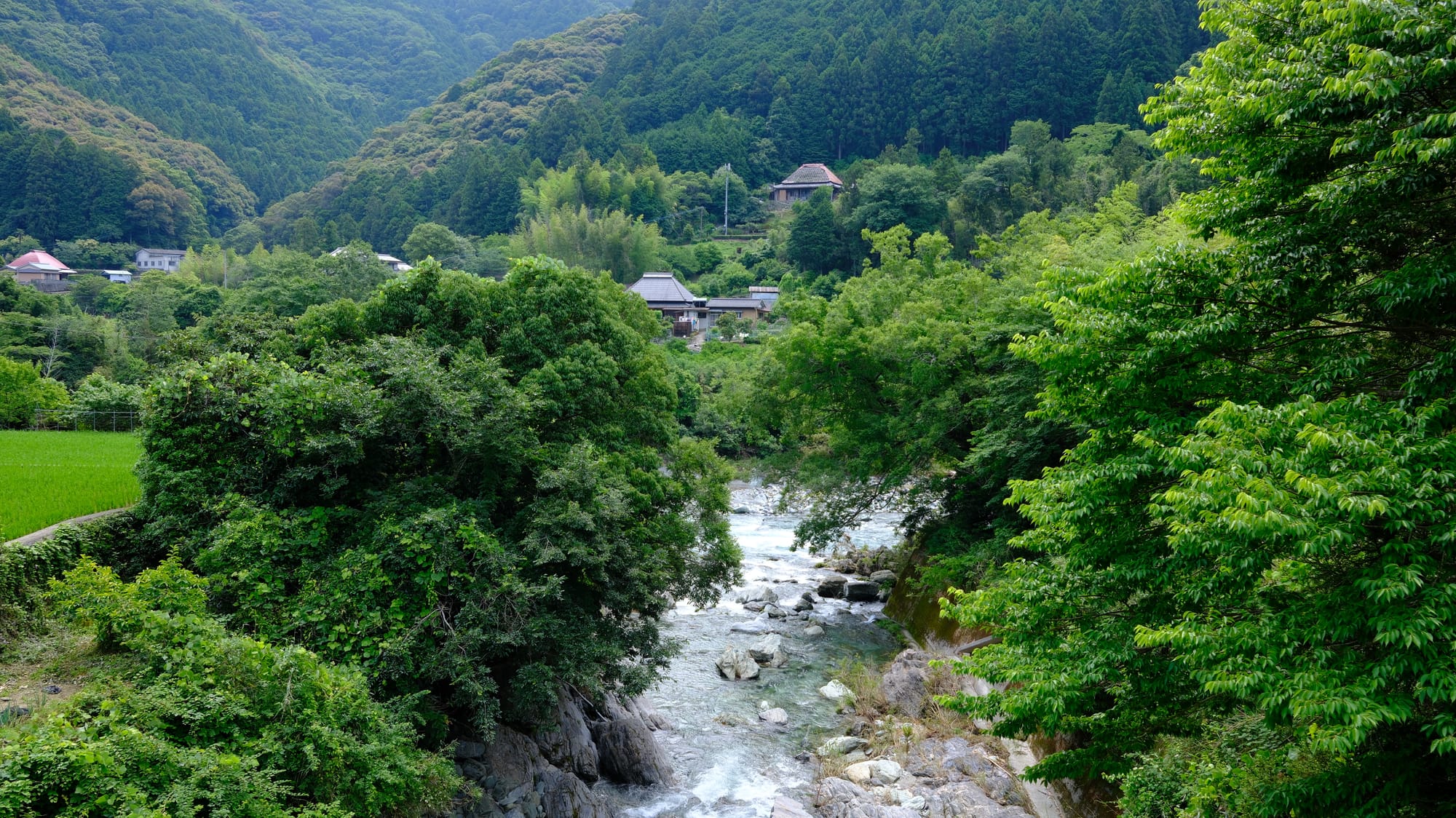
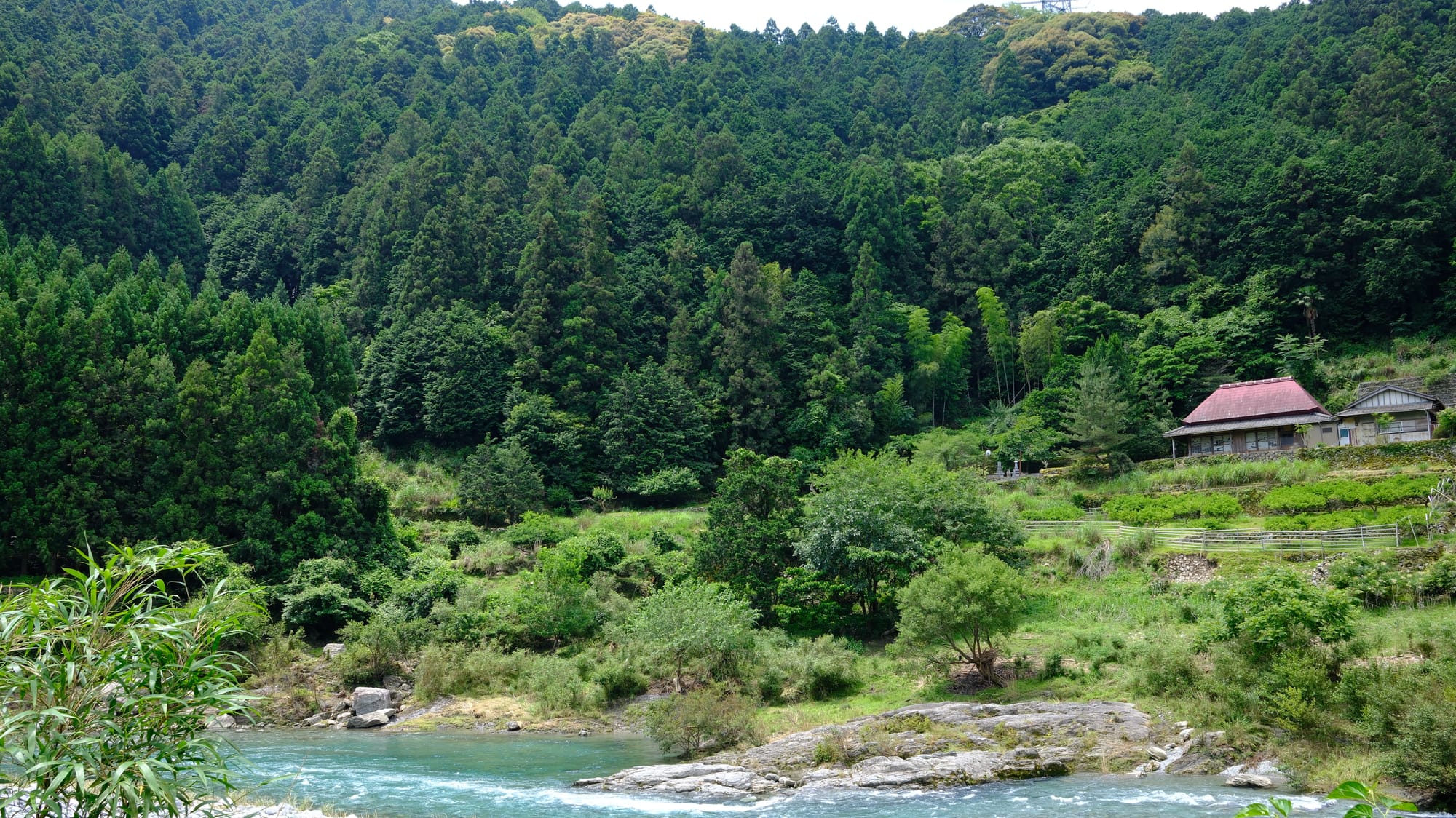
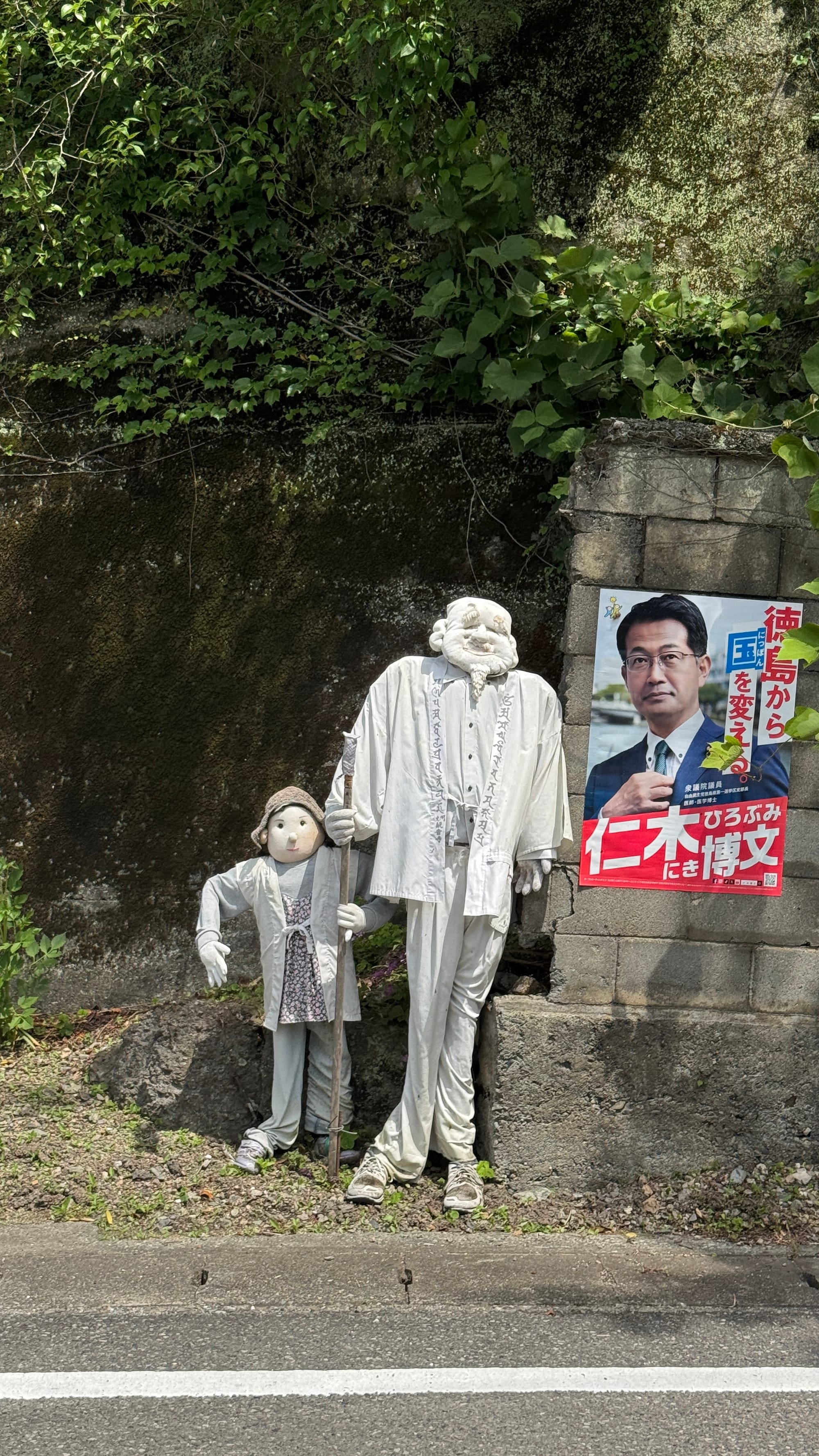
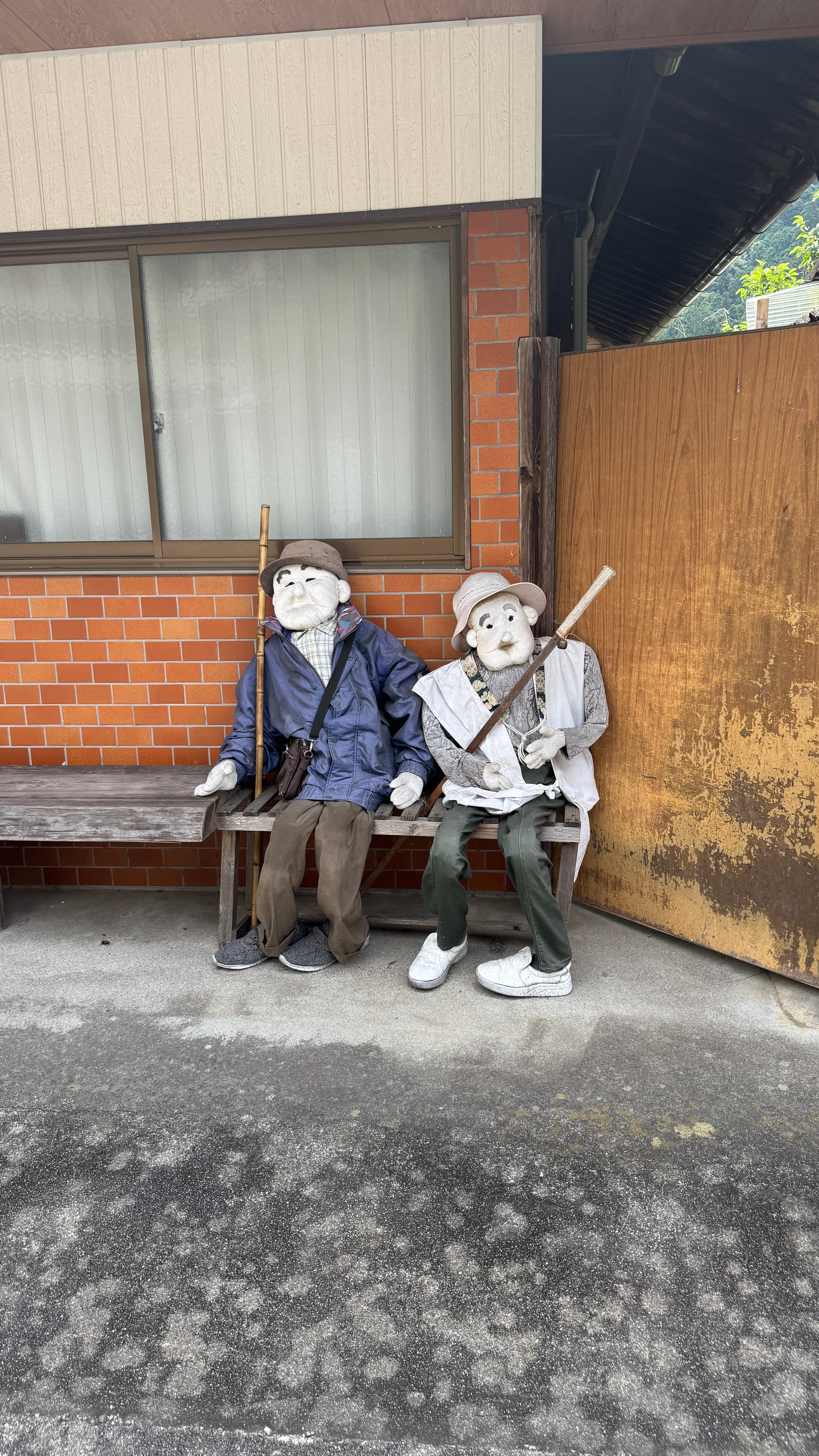
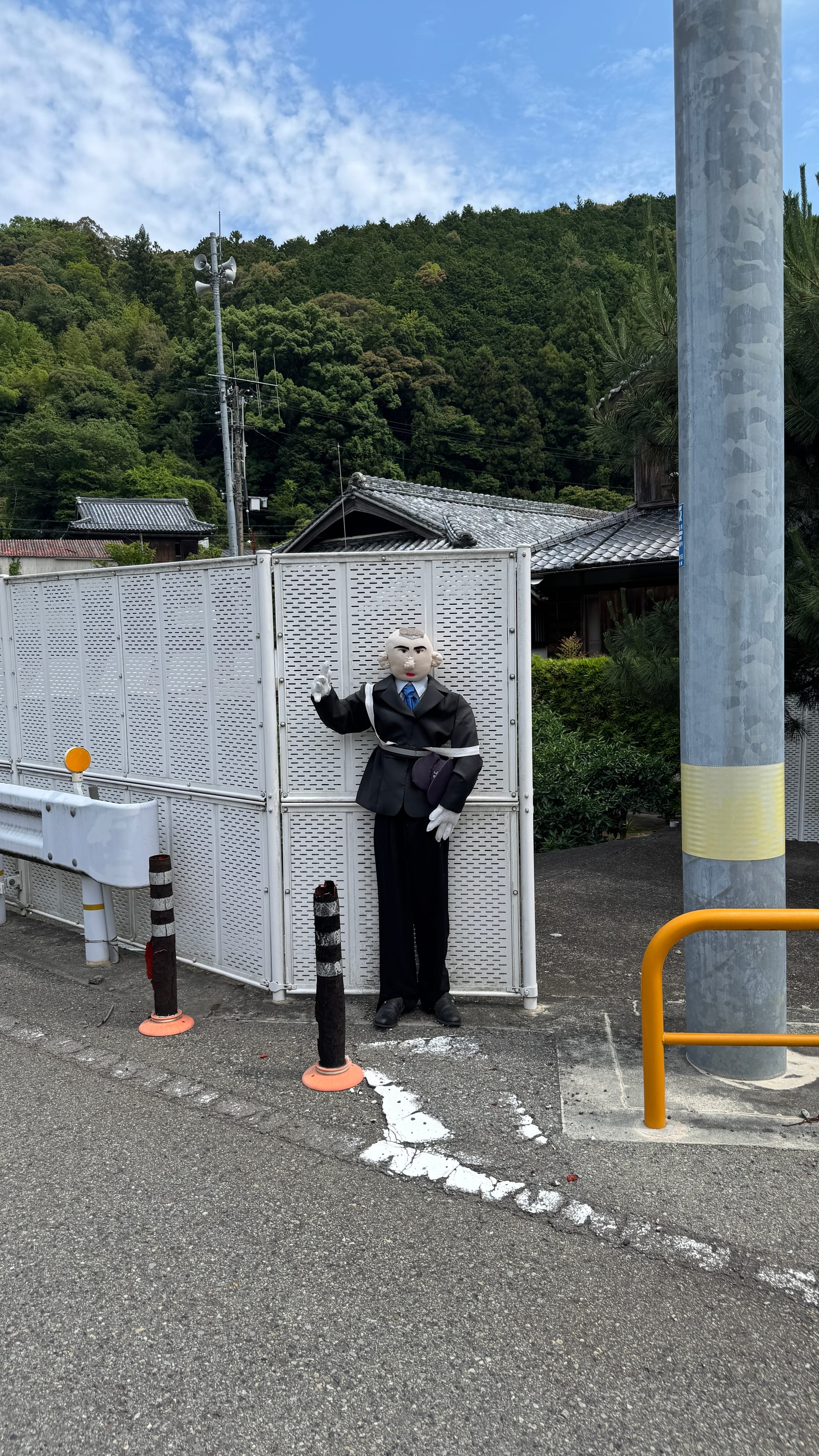
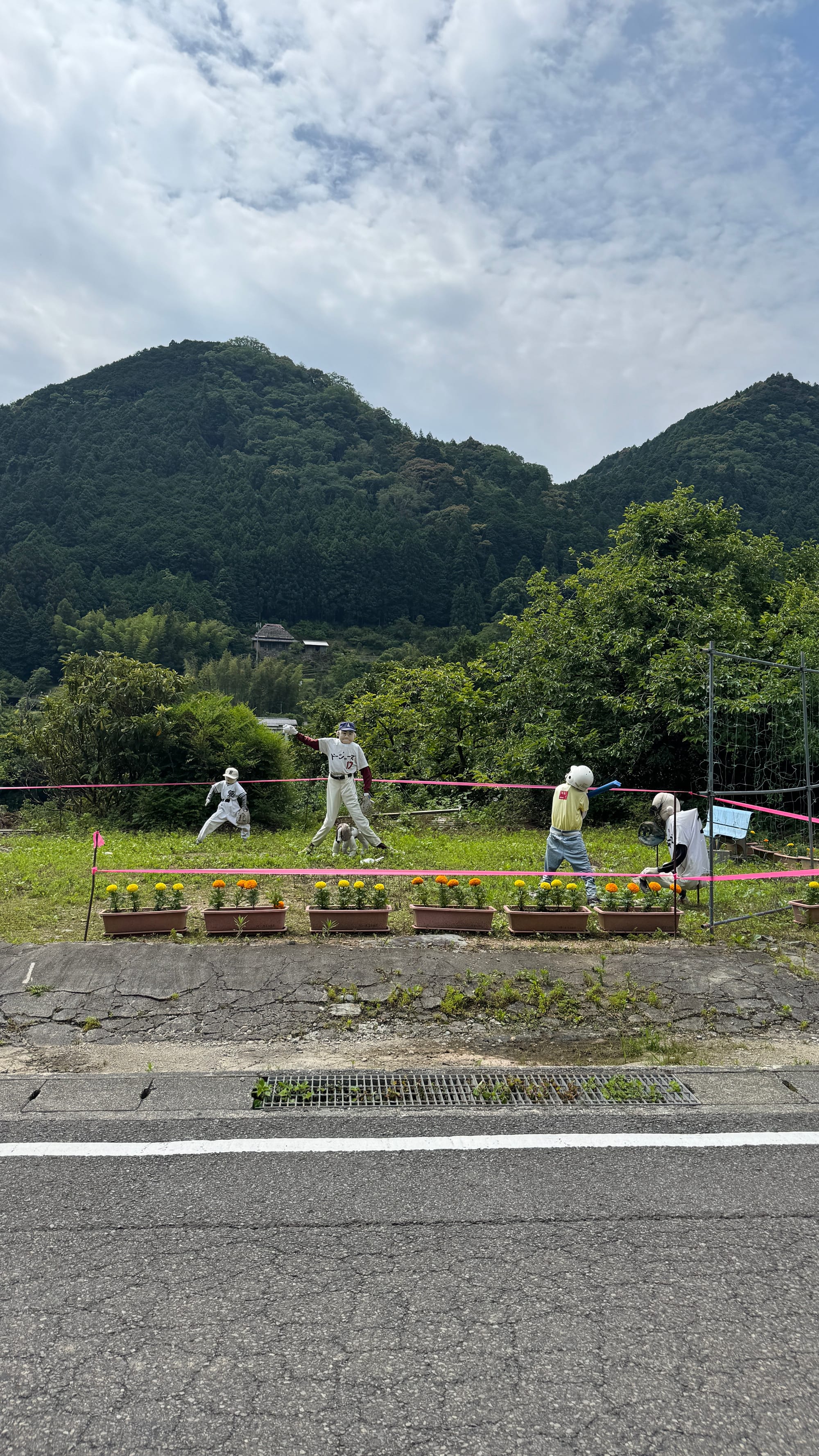
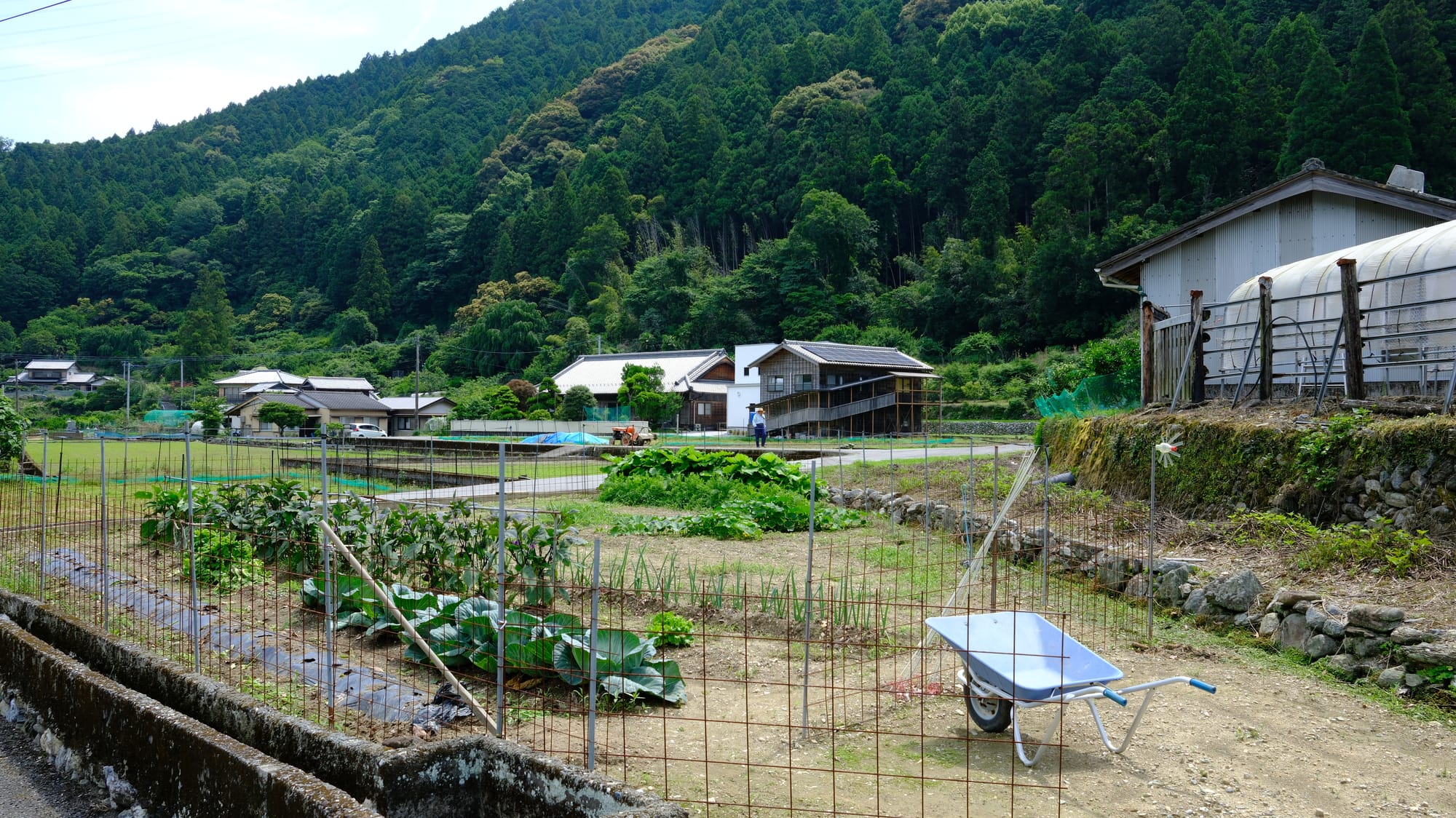
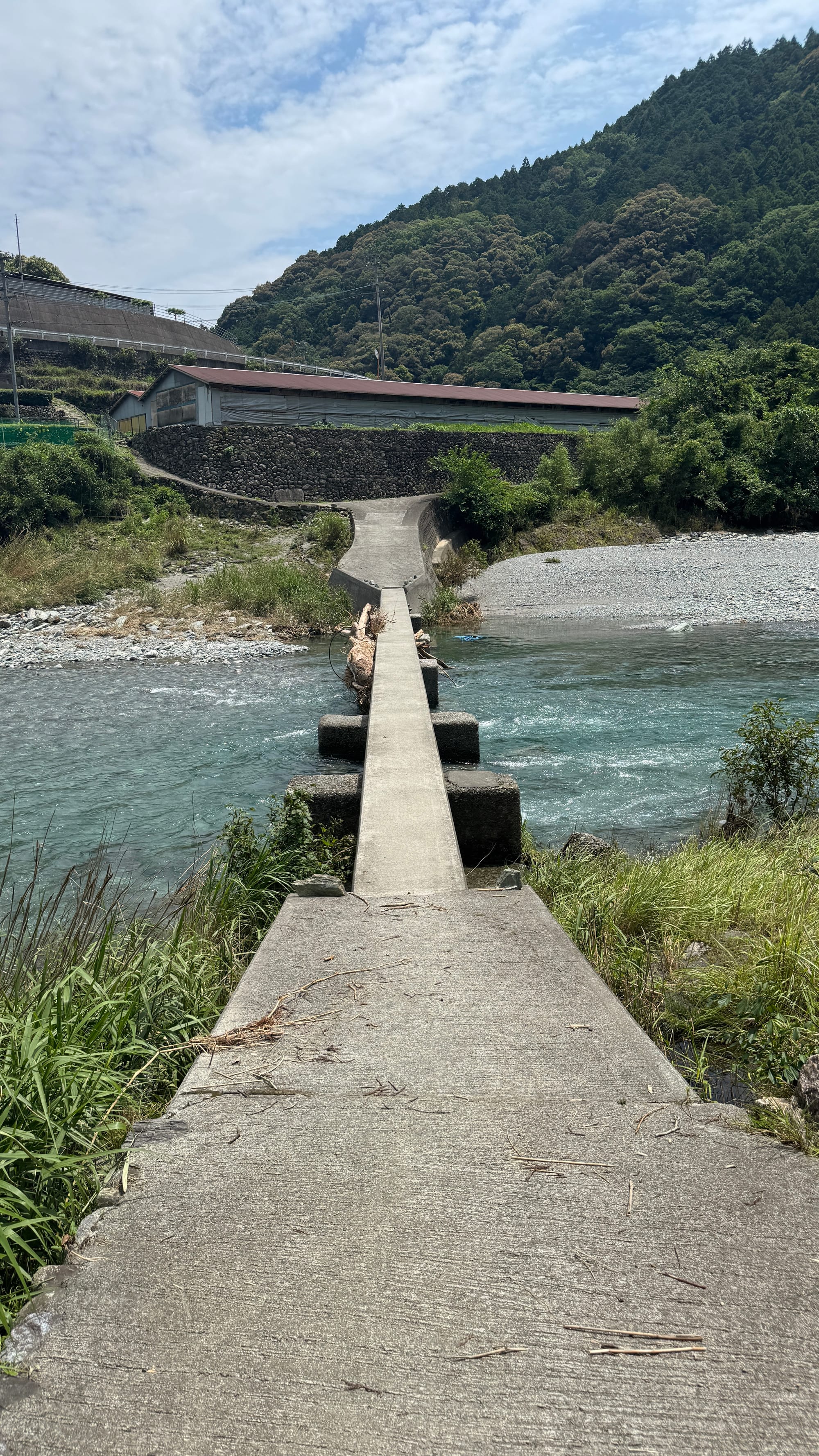
The village was dotted with life-sized rag dolls.
Some sat on benches.
Some stood beside roads.
Even the local baseball team appeared to be made largely from fabric.
Rural Japan never disappoints.
Later I encountered my first snake of the pilgrimage.
As an Australian, I found it difficult to be particularly intimidated.
Japan certainly has snakes, but Steve Irwin would probably have played with them during preschool.
A little further on I startled two deer grazing beside a rice field.
They froze.
I froze.
Then they disappeared back into the forest.
Then came another act of osettai.
A car slowed beside me.
The passenger window lowered.
A hand emerged holding a 600ml bottle of cold black coffee.
“Osettai.”
Of course.
I accepted it with thanks.
The coffee immediately disappeared into my backpack.
I decided it was a problem for future Jason.
Walking all day was one thing.
Walking all day and drinking 600ml of black coffee while having no idea where the next toilet might be was quite another - I was taking no chances.
That evening I arrived at an old pilgrim inn.
Some people might have described it as shabby.
I prefer the term selectively maintained.
The important things were clean.
The less important things appeared to have been left untouched since the release of the movie Black Rain with Michael Douglas in 1989.
I had the entire place to myself.
The owner, an elderly man who was also a chef, prepared an excellent dinner and then, continuing what was becoming a recurring theme, ran me a bath.
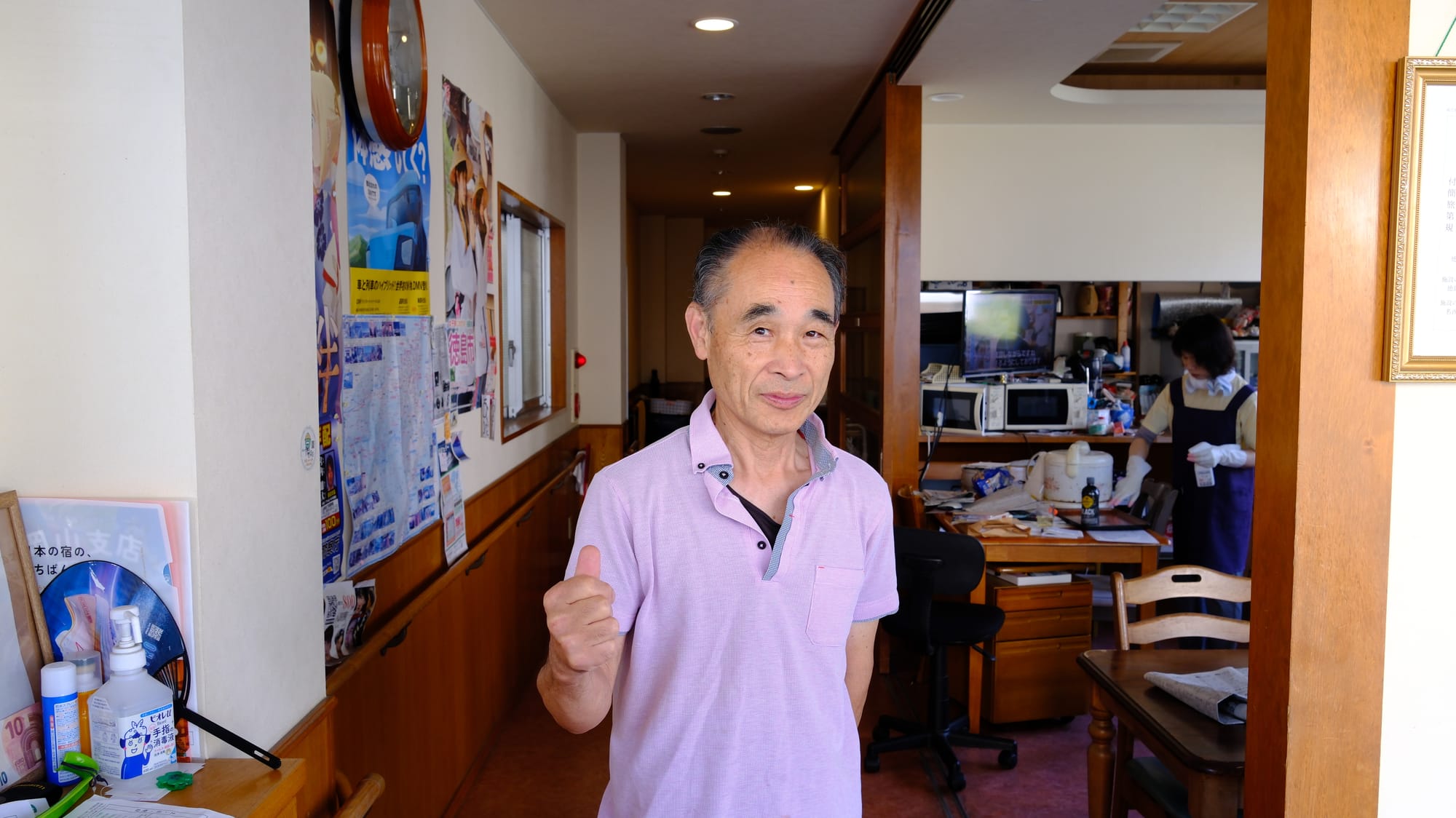
By this point I was beginning to wonder whether all accommodation in Shikoku came with a personal bath attendant. Time will tell.
Over dinner the television was showing a news report about bears.
“At least there are no bears in Shikoku,” I said.
The old man looked at me.
“We have bears.”
“You have bears?”
“Twenty-seven.”
I snort laughed.
He didn’t. Although I did see a small smile on his face.
“Twenty-seven?”
“All tracked by GPS.”
Apparently they live around Mount Tsurugi.
“They are small,” he assured me. “If one attacks you, you could probably kick it.”
He paused.
“Unless it climbs up you and scratches your face.”
We were both smiling now.
I briefly considered explaining Australia’s drop bears but decided - that conversation had the potential to spiral well beyond my Japanese ability, and then there was the factor of humour to be taken into account as well. I was too tired for all of that.
Besides, convincing a man that imaginary killer koalas exist seemed an unnecessary complication.
Before I left he told me something that did stay with me.
More and more foreigners were walking the pilgrimage, he said, but many walked too fast.
They stare at their phones.
They follow directions.
They hurry from one temple to the next.
“If I visited another country,” he said, “I would want to stop and look around.”
After only a few days on the pilgrimage, I realised he was probably right. I also needed to slow down.
The Henro pilgrimage and the temples are the reason many people come to Shikoku.
But what I have remembered so far hasn‘t been the temple numbers.
It‘s been the lemon soda.
The glass bottle of Coke.
The lady truck driver smiling and waving me across the road.
The family who treated me like one of their own.
The coffee I was afraid to drink.
The old man and his twenty-seven bears.
The pilgrimage has barely begun, yet already I‘m learning that the most memorable part of the journey isn’t the places.
It‘s the people.
Dispatch #1: The Pilgrimage has begun!
Published: June 13, 2026
Temples visited: 17 / 88
Distance walked: 135 km / 1300km
Current location: Tokushima
Kilograms of enlightenment achieved: approximately 2
Onigiri eaten: 5
Beers drunk: 6 (a figure readers can influence via the button below)
Granola bars reluctantly consumed: 4
Blisters acquired: 2
Member discussion